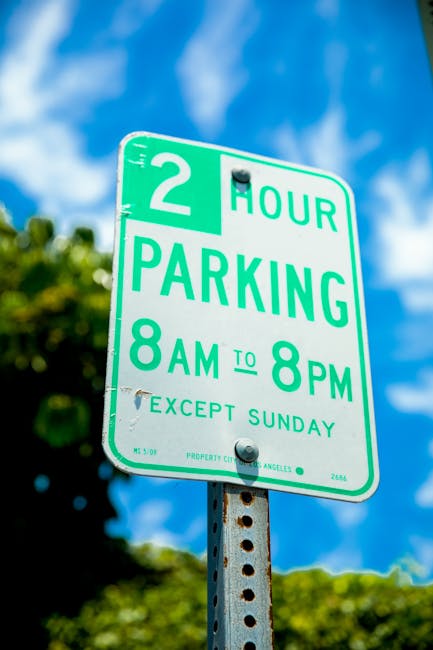
UK parking suspension rules for Haringey removals
If you are moving house or relocating a business in north London, parking can turn from a small detail into the thing that throws the whole day off. The reality is simple: UK parking suspension rules for Haringey removals matter because a removal van, a moving truck, or even a man and van setup needs legal, usable space right outside the property, or as close as possible. Get that wrong and you can end up with long carries, blocked access, frustrated neighbours, or a crew standing around while someone hunts for a legal bay. Not ideal, to be fair.
This guide explains how parking suspensions generally work, why they matter for removals in Haringey, how to plan around them, and what practical mistakes to avoid. It is written for real moving days: the tight Victorian street, the awkward corner, the quiet panic when you realise the bay outside is full of somebody else's car. We will keep it clear, local, and useful.
Table of Contents
- Why parking suspension rules matter for Haringey removals
- How parking suspension rules work in practice
- Key benefits and practical advantages
- Who needs this and when it makes sense
- Step-by-step guidance
- Expert tips for better results
- Common mistakes to avoid
- Tools, resources and recommendations
- Law, compliance, standards and best practice
- Options, methods and comparison table
- Case study or real-world example
- Practical checklist
- Conclusion
- Frequently asked questions
Why UK parking suspension rules for Haringey removals Matters
Parking is one of those things people underestimate until moving day arrives. Then suddenly every minute matters. A parking suspension, where available, is designed to temporarily reserve a parking bay or restrict parking in a certain place for a specific reason. For removals, that usually means giving the removal vehicle a legal loading point and protecting the move from avoidable delays.
In Haringey, many streets are busy, narrow, or heavily controlled. Even a short move can become stressful if your van cannot stop close enough to the door. That adds lifting distance, increases the chance of damage, and can slow the entire schedule. If you are using a full-scale removal service such as house removals or a smaller man and van option, legal parking access is one of the first things to check.
There is also the human side. Removal teams work best when they can get in, load properly, and keep the flow moving. If the crew must keep circling the block, you lose momentum and sometimes patience. That is just how it goes on a busy London street. A clean parking plan can be the difference between a smooth 9am start and a slightly fraught morning at 10:40 with boxes still in the hallway.
Expert summary: parking suspensions are not just paperwork. They are a practical access tool. Used properly, they reduce friction, protect timing, and help your movers do their job safely and efficiently.
How UK parking suspension rules for Haringey removals Works
While each council may have its own process, the general idea is fairly consistent across the UK. A parking suspension temporarily removes normal parking rights from a designated bay or stretch of road for a defined purpose and time period. For removals, that is often to allow a vehicle to park for loading and unloading, or to keep the space clear for a planned move.
The process usually involves a request being made in advance, a review of the location and timing, and then a decision on whether a suspension can be granted. In some cases, the council may impose conditions, such as the exact hours, the length of the bay to be suspended, signage requirements, or whether cones need to be placed. The details can vary, so it is wise not to assume anything until the arrangement is confirmed.
For a move in Haringey, the biggest practical question is this: can the vehicle legally and safely stop close enough to the property? If the answer is no, you need a backup plan. That might mean arranging a suspension, booking a smaller vehicle like a removal van, or using an additional crew to shuttle items from a permitted loading spot. A removal company experienced with London streets will usually think about that before the day itself, which is exactly what you want.
One important point: a suspension does not magically remove all issues. It only affects the defined bay or space, and it still has to be used correctly. If the permit or notice is for a specific length of time, the removal team needs to stay within those limits. Simple enough, but it catches people out.
What a parking suspension is not
- It is not a general parking permit for the whole street.
- It is not a guarantee that the area will be completely clear unless signage and enforcement are in place.
- It is not something to leave until the last minute.
- It is not a substitute for good loading planning.
That last one matters. Even with suspension support, the move still needs organisation. Access, timing, and vehicle size all have to fit together.
Key Benefits and Practical Advantages
When done properly, parking suspension planning can make a move noticeably calmer. It sounds a bit dry on paper, but in practice it has real upside.
- Shorter carrying distances: boxes and furniture move faster when the vehicle is close to the door.
- Lower risk of damage: fewer extra steps means less chance of knocks, drops, and scrapes.
- Better time control: loading and unloading become more predictable.
- Less stress on the day: fewer arguments with neighbours, fewer parking hunts, fewer surprises.
- Safer lifting conditions: movers are less likely to rush when access is straightforward.
For a flat move, this can be especially valuable. Narrow stairwells, shared entrances, and tight frontages already create enough work. If the van is parked half a road away, even a modest move can start to feel endless. The same applies to office removals, where timing and building access can matter as much as the move itself.
There is also a commercial advantage. If your move is run by a professional crew and the parking plan is sound, the whole operation looks and feels more organised. That matters when a building has other residents, deliveries, or limited access windows. Nobody likes a chaotic pavement scene at 8am. Nobody.
Who This Is For and When It Makes Sense
Parking suspension planning is useful for more people than you might think. It is not only for large house moves with a lorry outside the door. In fact, the more cramped the street, the more valuable it becomes.
You may need it if you are:
- moving from a terraced house on a narrow road
- leaving or entering a block of flats with limited loading space
- running an office move with strict building times
- using a larger vehicle, such as a moving truck
- organising a same-day swap where timing is tight
- moving large furniture only and need a short, legal stop for collection
It also makes sense if your usual street parking is controlled, permits are required, or neighbours regularly compete for bays. Even a short-distance move can get messy if the only available space is around the corner or already occupied. The question is not just "can the van park?" but "can the whole move happen without disruption?"
If you are unsure whether your move needs this level of planning, think about the access from the van to the front door. If you would not want to carry a sofa there in wet weather while someone waits with a hand trolley, you probably want the access sorted in advance.
Step-by-Step Guidance
Here is the most sensible way to approach parking suspension planning for a removal in Haringey. Keep it simple and do the obvious things early. It saves headaches later.
- Assess the property access. Look at the road width, bay layout, restrictions, yellow lines, and any loading controls.
- Decide what size vehicle you need. A smaller van may fit more easily, but larger moves often need more planning. If your move is business-related, consider whether commercial moves guidance is relevant too.
- Check the move timing. Some streets are easier early in the morning; others are busy all day. Think about school runs, bin collections, and peak traffic. London has a way of making every minute count.
- Ask early about suspension requirements. Do not leave this for the week of the move. In many cases, notice periods and admin lead time matter.
- Confirm the exact location. A vague "outside the house" request is usually less helpful than specifying the frontage or bay length.
- Prepare alternative access. If the suspension cannot be arranged, make sure the movers know the fallback parking point and walking route.
- Put the plan in writing. Save confirmations, dates, and any special instructions in one place.
- Brief everyone involved. Movers, landlords, building managers, and neighbours where appropriate should know what is happening.
A useful rule: if a detail matters on moving day, it matters now. A short phone call or email chain today can save a lot of shoulder-shrugging later.
Expert Tips for Better Results
There are a few things experienced movers tend to do that make a real difference. None of them are flashy, but they work.
- Build extra time into the booking. Parking access is never worth assuming, even if the street looks quiet the day before.
- Match the vehicle to the street. A smaller vehicle can sometimes be more efficient than a larger one if access is tight. Sometimes the smaller van wins. Simple as that.
- Use clear item labelling. If movers need to shuttle from a distant bay, good labelling reduces wasted trips.
- Protect high-value items separately. The longer the carry, the more careful the handling needs to be.
- Keep a charged phone handy. If access changes on the day, someone will need to make a quick call.
- Plan for weather. Wet pavements, drizzle, and winter darkness make long carries harder. London in November can be a bit miserable, let's face it.
If you are booking a more tailored service, it may help to review the company's approach to health and safety and insurance and safety. That is not just paperwork. It tells you whether the team takes access planning seriously.
Practical insight: the best move days rarely feel dramatic. They feel boring in the best possible way. The van arrives, the bay is ready, the crew starts loading, and nobody has to improvise too much.
Common Mistakes to Avoid
Most parking problems come from a small set of predictable mistakes. The good news is that they are easy to avoid once you know what to watch for.
- Leaving it too late. This is the big one. Parking suspension arrangements often need advance notice.
- Assuming a bay will be free. In London, a free space this morning may be gone by lunchtime.
- Choosing the wrong vehicle size. A vehicle that is too large can create access issues even where a suspension exists.
- Forgetting about building restrictions. Some blocks have loading rules, concierge requirements, or lift-booking windows.
- Not telling the movers about the street layout. A crew cannot plan for a blind corner if nobody mentions it.
- Ignoring nearby residents or businesses. A bit of communication can prevent friction, especially on shared roads.
Another common error is treating the parking issue as separate from the rest of the move. It is not. It affects loading speed, labour, safety, and sometimes cost. If access is poor, even an efficient team will have to work harder.
Tools, Resources and Recommendations
You do not need a pile of fancy tools to handle this well. What you do need is a tidy process and the right information to hand. A notebook, phone, or shared checklist usually does the job. Old-school, maybe. Effective, definitely.
Here are the most useful things to prepare:
- Property details: full address, flat number, entrance point, and any access notes
- Vehicle details: size, type, and whether a removal van or larger truck will be used
- Move schedule: start time, expected loading period, and handover deadlines
- Contact list: mover, customer, building contact, and landlord or managing agent if relevant
- Document folder: booking confirmation, payment notes, and any access approval
If you are comparing providers, it also helps to review their pricing and quotes approach so you understand what is included and what might cost extra if access is difficult. Good providers usually explain that clearly instead of hiding it in the small print.
For household moves, the broader service pages can also help you see whether you need a full team or something lighter, such as home moves, house movers, or movers. That choice affects how much parking space you need and how long the vehicle will be on site.
Law, Compliance, Standards, and Best Practice
Parking suspension rules are usually managed through local authority processes, and the exact details can vary by council and by street type. That means you should always treat local instructions as the source of truth for your move. Do not rely on hearsay from a neighbour who moved three years ago and "did it fine." Different road, different rules, different day.
From a best-practice standpoint, the key principles are straightforward:
- request access arrangements early
- follow the stated timings precisely
- use only the space that has been approved
- keep communication clear with the moving team
- avoid blocking footways, driveways, or emergency access
For removal businesses, compliance also includes safe loading practices, sensible vehicle choice, proper insurance, and honest communication about what the customer can expect. You should expect your provider to be transparent about terms, payment, and service scope, which is why pages such as terms and conditions and payment and security are worth checking before you book.
If sustainability matters in your move, it can also be useful to see whether the company has a clear approach to recycling and sustainability. That is not directly about parking, of course, but it does show whether the wider operation is being run with care.
Options, Methods, or Comparison Table
Not every move needs the same access solution. Here is a simple comparison that can help you decide what is most sensible.
| Option | Best for | Pros | Trade-offs |
|---|---|---|---|
| Parking suspension | Tight streets, bay-based parking, larger moves | Closest legal access, better loading flow, less walking distance | Needs planning, approval, and timing coordination |
| Standard bay parking without suspension | Quiet streets, flexible timing, smaller moves | Simple, no extra admin if space is available | Uncertain availability, higher risk of delays |
| Smaller van and shuttle load | Narrow roads, awkward access, partial moves | More flexible, easier to place near the property | May require more trips and more handling |
| Full-service removal vehicle with crew management | House moves, office moves, complex access | More efficient on the day, better coordination | Depends on enough space and good schedule control |
If you are mainly concerned about moving a few items, a lighter option like man with van or man with van removal may be more practical. If the move is larger, you may be better off with a more structured removal service and a proper parking plan.
Case Study or Real-World Example
Imagine a family moving from a first-floor flat on a busy Haringey street on a Friday morning. The road has bays, but they are usually full by 8am. The property has a narrow staircase, a front door close to the carriageway, and a landlord who wants the flat empty by noon. That is a pretty normal London situation, really.
Without parking planning, the removal team arrives and finds no legal stopping space near the building. The van ends up further down the road. Boxes still need moving, furniture needs careful handling, and the crew spends extra time shuttling items. The job still gets done, but it takes longer and feels harder than it should.
Now compare that with a move where access was thought about a week in advance. The team knows the loading point, the schedule is clear, and the parking arrangement has been checked. The van parks as planned, the loading runs in a steady rhythm, and the household can actually breathe. Not glamorous, but very effective.
That is the real value of parking suspension rules. They do not make moving exciting. They make moving manageable.
Practical Checklist
Use this checklist in the days before your move. Keep it simple and tick things off as you go.
- Confirm the move date and start time
- Check whether the property sits on a controlled parking street
- Decide if a parking suspension is likely needed
- Tell the moving company about the road layout and restrictions
- Confirm the vehicle type and approximate size
- Check whether loading access is needed at both addresses
- Save all access confirmations in one place
- Arrange any building or concierge permissions
- Prepare a backup parking plan
- Label boxes so unloading is easier if the carry is longer than expected
- Keep phones charged on moving day
- Review booking, insurance, and safety details
If you are still comparing providers, it may be worth looking at removal company options or checking removal companies more broadly, especially if you want a team that can handle access issues without drama.
One small tip that helps more than people expect: keep your keys, documents, and access notes in one pouch or bag. You do not want to be hunting for a council email while someone is carrying a sofa. Been there, seen that, never fun.
Conclusion
Parking suspension planning is one of those quiet jobs that makes a big difference on moving day. If you handle it early, you give yourself a better chance of a calm, efficient, legal move with fewer surprises. If you ignore it, everything becomes harder than it needs to be.
For Haringey removals, the best approach is usually straightforward: check access early, choose the right vehicle, confirm the rules, and keep everyone informed. That is the kind of preparation that turns a stressful day into a manageable one. Not perfect, just smoother. And sometimes smoother is exactly what you need.
Get a free quote today and see how much you can save.
When you are ready to plan the move properly, a little preparation now can save a lot of strain later, and that is a good feeling to have before the boxes even come downstairs.
Frequently Asked Questions
What are UK parking suspension rules for Haringey removals?
They are the local access arrangements that may temporarily reserve or restrict a parking bay so a removal vehicle can load or unload legally. The exact process depends on the street and the relevant local authority rules.
Do I always need a parking suspension for a house move in Haringey?
No. Smaller moves or quieter streets may not need one. But if the road is controlled, busy, narrow, or the vehicle is large, a suspension may be the safer and more practical option.
How far in advance should I arrange parking access?
As early as possible. The sooner you start, the more time you have to confirm restrictions, timings, and any conditions. Waiting until the last minute is where problems usually begin.
Can a removal van stop on yellow lines during a move?
Not automatically. Loading and unloading allowances vary and are not something to assume. Always check the local restrictions and the move plan before the day arrives.
What happens if my parking suspension is not approved?
You will need a backup plan. That might mean using a different vehicle size, booking a nearby legal loading point, or adjusting the schedule so the move still works safely and legally.
Is a parking suspension the same as a parking permit?
No. A permit usually allows parking under certain conditions, while a suspension temporarily removes normal parking use from a designated space. They solve different problems.
Does a parking suspension guarantee the space will be empty?
It improves the chances, but the space still needs to be managed correctly. Signage, notice, and enforcement practices all matter, and the rules must be followed exactly.
What size vehicle is best for a tight Haringey street?
That depends on the street and the amount of furniture. A smaller vehicle can be easier to place, but a larger move may still need a proper loading point and more planning.
Should I tell my removal company about parking restrictions?
Absolutely. In fact, you should tell them as early as you can. A good team will use that information to plan the route, vehicle choice, timing, and loading strategy.
Do office moves need the same parking planning as house removals?
Often yes, sometimes more so. Office moves can involve stricter time windows, building access rules, and more equipment. Parking access is a major part of keeping the day on schedule.
How can I make the move less stressful if parking is tight?
Plan early, label everything clearly, choose the right vehicle, and keep communication open with your movers. A calm access plan reduces a surprising amount of pressure on the day.
Where can I find more help with moving services?
If you want to compare service styles, look at options such as removals, removals near me, or removals van to see which setup suits your move and access needs best.