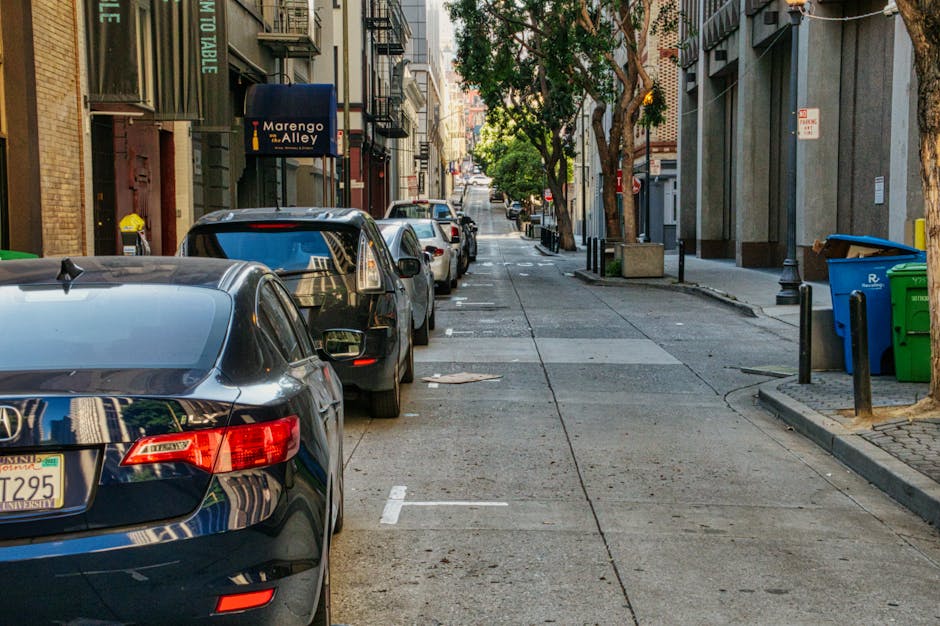
Crouch End removals tips for narrow streets and parking
Posted on 09/05/2026
If you are planning a move in Crouch End, you already know the challenge is not just lifting boxes. It is the streets, the parking, the tight turns, the awkward loading spots, and that one van that suddenly looks far too large for the road. Crouch End removals tips for narrow streets and parking matter because a well-planned move can save time, stress, and avoidable damage before the first sofa even reaches the pavement.
This guide walks through the practical side of moving in a busy North London neighbourhood: how to choose the right vehicle, plan access, work around parking restrictions, and keep your move calm when the street is barely wide enough for two cars to pass. Truth be told, that little bit of preparation makes a huge difference.
Whether you are moving from a top-floor flat, a terraced house, or a small office near the high street, the goal is simple: fewer surprises on moving day and a smoother handover all round.
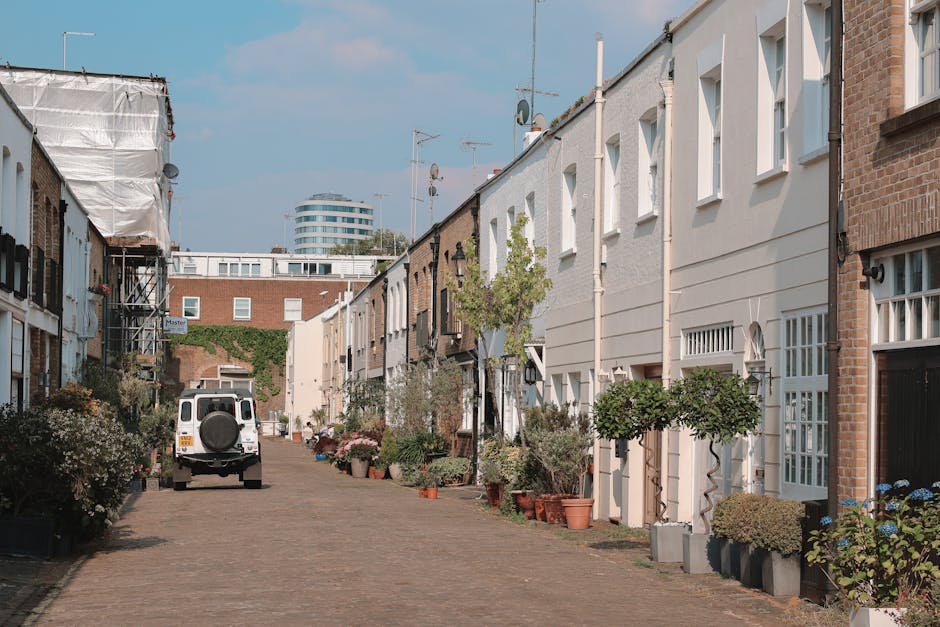
Why Crouch End removals tips for narrow streets and parking Matters
Crouch End has a character all its own, and part of that charm is exactly what makes removals tricky. Residential streets can be tight, parking spaces can be limited, and a van parked badly can block access for neighbours, delivery drivers, or even your own removal team. One awkward parking choice can turn a tidy move into a slow, expensive day.
That is why planning around access is not a side issue. It is often the main event. If your movers cannot get close enough to the property, they may need to shuttle items further on foot, use smaller vehicles, or spend extra time managing traffic and loading. None of that is impossible. It just needs thought.
For many households, especially those using flat removal services in Haringey or a flexible man and van option, the real win is reducing friction before moving day starts. In a place like Crouch End, that can mean the difference between a smooth morning and a mildly chaotic one by 8:30 a.m.
Key point: the narrow-street problem is rarely just about the road itself. It is about access, parking, carrying distance, timing, and how well the whole move is coordinated.
How Crouch End removals tips for narrow streets and parking Works
The process starts well before the van arrives. Good removals planning in Crouch End is really a sequence of small decisions: what vehicle size is sensible, where the load will start, whether there is space to pause outside the property, and how to keep the pathway clear for fast loading.
Most experienced movers begin with an access check. That usually means looking at the street width, the parking situation, the number of steps, the presence of controlled parking, and whether there are any obstacles such as trees, low walls, tight corners, or parked cars that narrow the route even more. Sounds basic, but it saves a lot of grief.
Then comes the loading plan. Large, awkward, or fragile items are usually dealt with first or separately depending on the property layout. For example, a piano, tall wardrobe, or large sofa may need a different approach from stacked boxes or small furniture. If you are moving anything bulky, a specialist page like piano removals in Haringey or furniture removals support may be more relevant than a standard all-in-one move.
Finally, parking and timing are coordinated. This is where a little local awareness helps. Some streets are simply easier to use at certain times of day. Others may be manageable only if the vehicle is positioned with care and the team loads quickly. In practice, the best moves are the ones that behave like a well-rehearsed delivery rather than a scramble.
Key Benefits and Practical Advantages
Planning for narrow streets and parking may not sound glamorous, but it pays off quickly. The practical advantages are very real.
- Less loading time: the closer the vehicle can get, the less time movers spend walking back and forth.
- Lower risk of damage: shorter carries mean fewer chances to bump walls, railings, or door frames.
- Less stress for neighbours: good parking habits help keep the street usable for everyone.
- Better protection for fragile items: fewer trips and less handling usually means less jostling.
- More accurate quoting: when access is understood early, estimates are usually more realistic.
- Cleaner moving day timing: a properly planned move is easier to start and easier to finish.
If you are comparing services, this is also where the right team matters. A company offering removals in Haringey, local house removals, or an adaptable removal van service should be able to talk sensibly about access and parking, not just the box count.
To be fair, the benefit is not just efficiency. It is peace of mind. You know the move is built around the actual street, not some idealised version of it.
Who This Is For and When It Makes Sense
This advice matters for more people than you might think. If your move involves any of the situations below, it is worth treating access and parking as a core part of the plan.
- People moving from terraced homes or maisonettes on narrow roads.
- Flat movers dealing with shared entrances, stairwells, or limited kerb space.
- Students moving in or out with a small but slightly chaotic collection of belongings.
- Small businesses relocating from a compact office or studio.
- Families with bulky furniture, prams, bikes, or awkward items.
- Anyone trying to avoid a long walk from a distant parking spot.
It also makes sense if you are on a deadline. Maybe you need to vacate a property by lunchtime, maybe keys are being handed over later that day, or maybe you are simply trying to avoid a long chain of delays. In those moments, a practical moving plan is worth more than a vague promise that "it should be fine".
If you are still at the early planning stage, it can help to review broader local moving services such as house removals in Haringey or even a dedicated services overview to see which type of move fits your situation best.
Step-by-Step Guidance
Here is the practical sequence we would suggest for a Crouch End move where streets are tight and parking is likely to be awkward.
- Measure the access points. Check front doors, hallways, staircases, and any narrow bends. A van may fit outside, but the real bottleneck is often inside the property.
- Assess parking early. Identify where a vehicle could stop safely without blocking driveways, corners, or sight lines.
- Decide on the right vehicle size. Bigger is not always better. A smaller van can be far easier to park and load quickly in a tight street.
- Group belongings by weight and fragility. Keep fragile items, heavy furniture, and small boxes separate so the loading order makes sense.
- Label boxes clearly. This sounds obvious, but in a cramped hallway it saves time when movers need to stack intelligently.
- Reserve time for unexpected delays. A parked car, bin lorry, or busy school run can easily change the tempo of the day.
- Protect entry points. Use covers or padding where needed to avoid scraping paintwork or denting corners.
- Keep an eye on the route. Someone should be there to direct loading if the street is especially tight. One person with a clear voice can save a lot of confusion.
In a real move, these steps blend together. The van arrives, the front door is propped open, a neighbour needs to reverse out, and suddenly everyone is working around each other. That is normal. The trick is to make the normal parts easier.
For smaller, faster jobs, many people find a man with a van in Haringey or man and van service is a better fit than a larger full-load setup. It depends on the size of the home, of course, but narrow roads often reward flexibility.
Expert Tips for Better Results
Here is where experience really helps. Some of these tips seem small, but they often have outsized value on a busy moving day.
- Choose the loading side carefully. If the pavement is narrow, loading from the side nearest the property can reduce movement and awkward turning.
- Keep a spare key accessible. It sounds trivial until someone shuts the front door and the key is in the wrong coat pocket.
- Pre-pack an essentials bag. Tea bags, phone charger, medication, documents, and toiletries should stay with you, not in the van.
- Use furniture that comes apart. Flat-pack items, detachable table legs, and removable shelves are a gift in tight spaces.
- Build in a parking fallback plan. If the ideal spot is taken, know the next best option before the team starts unloading.
- Ask for a local perspective. A crew with real local experience will usually know where the pinch points are, even before arriving.
A small but useful trick: take photos of the street outside your property the day before. Not glamorous, no, but it gives your removals team a quick visual reference if anything changes by morning.
If you are moving a more delicate or high-value item, or you are already worried about protection and transit, review the company's insurance and safety guidance and health and safety policy before booking. That kind of preparation is easy to skip, then suddenly you wish you had not.
Common Mistakes to Avoid
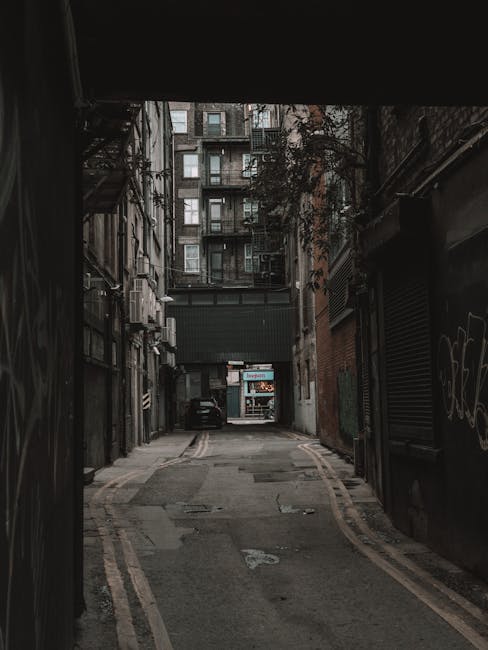
Most moving problems in narrow streets come from avoidable assumptions. The street looks wide enough, so the van should fit. The parking bay looks free, so it will probably stay free. The move is local, so how hard can it be? Well. Quite hard, sometimes.
- Booking the wrong vehicle size. An oversized van can make parking and turning much harder than necessary.
- Assuming loading will be quick without planning. Short carries still take time if boxes are scattered everywhere.
- Ignoring stair access. In Crouch End, the outside street is only half the battle; internal access matters just as much.
- Leaving parking until the last minute. By then, the best spot is usually already gone.
- Not telling movers about obstacles. If there is a steep step, narrow gate, or awkward turn, say so early.
- Packing fragile things badly. A compact move can still go wrong if the packing is careless.
The most frustrating mistake is usually the most ordinary one: not planning for the obvious. A neighbour's car, a school run, or a delivery vehicle can throw the schedule off by a surprising amount. It happens. But you can plan around it.
Tools, Resources and Recommendations
You do not need a mountain of equipment to make a Crouch End move easier. A few sensible tools and services are enough.
| Need | Useful approach | Why it helps in narrow streets |
|---|---|---|
| Boxing and packing | Packing and boxes support | Keeps items organised so loading is faster and less messy |
| Flexible transport | Man and van service | Often easier to position in tight streets than a larger vehicle |
| Full property move | House removals | Better when you have larger loads and need structured handling |
| Short-term overflow | Storage options | Helps reduce pressure if access is limited on the day |
| Costs and planning | Pricing and quotes | Lets you compare services with access needs in mind |
For some people, the right move is not the biggest one. It is the smartest one. If you only need help with a few items or a compact flat, you may not need a full-scale team. If you are moving a full household, a structured service is usually the safer route. If you are unsure, ask for a quote that reflects your access situation honestly.
And if you want a better sense of the wider local service landscape, a look at removal services in Haringey or removal companies in Haringey can help you decide what level of support you actually need.
Law, Compliance, Standards, or Best Practice
For a move in Crouch End, you do not usually need to navigate anything dramatic, but there are some important best-practice points to keep in mind.
Parking and access: always think about how your vehicle will stop without creating a hazard. Blocking driveways, junctions, dropped kerbs, or emergency access is not a sensible gamble. If a space is unclear, it is usually safer to choose a different setup.
Health and safety: lifting, carrying, and manoeuvring furniture should be done with care, especially on steps, slopes, or in tight hallways. Good practice is to keep pathways clear, communicate before lifting, and avoid forcing heavy items through spaces that are too narrow.
Insurance and protection: check what is covered before moving day. A reputable firm should be able to explain the basics clearly, without jargon. You want confidence, not confusion.
Property responsibility: if you are renting, remember that walls, floors, doors, and communal areas may need protection. If you are selling, you will probably want the place left tidy and undamaged. Very normal expectations, really.
It also helps to review the company's general terms and practical details. Pages such as terms and conditions, payment and security, and about us give you a better sense of how the business works and how seriously it takes the customer side of things.
Options, Methods, or Comparison Table
There is no single perfect moving method for every Crouch End street. The right choice depends on load size, access, timing, and how much help you want on the day.
| Option | Best for | Pros | Trade-offs |
|---|---|---|---|
| Man and van | Small flats, lighter loads, quicker moves | Flexible, easy to manoeuvre, often ideal for narrow streets | Less capacity than a larger removal truck |
| Full house removals | Larger homes, bigger furniture, more items | Better for structured loading and bigger inventories | May need more access planning in tight roads |
| Same-day removals | Urgent moves or last-minute changes | Fast response, useful if plans change suddenly | Can be harder to coordinate parking at short notice |
| Storage-led move | Staggered moving dates or access issues | Reduces pressure on the day, useful for complex moves | Requires extra handling and planning |
If you are moving from a compact property, a flat removals service or same-day removals option may be exactly what you need. If the move involves office equipment, boxes, and a tight schedule, then office removals in Haringey could be the better fit.
Case Study or Real-World Example
Picture a typical Friday morning move in Crouch End. A couple is leaving a second-floor flat with a sofa, a bed frame, three bookcases, and more boxes than they expected to own. The street is narrow, cars are parked on both sides, and there is just enough space for a van to pause if the angle is right.
Instead of using a large vehicle and hoping for the best, the movers arrive with a van sized for the street rather than the fantasy version of it. One person checks the route from the property to the kerb. Another prepares the larger furniture first. Boxes are grouped by room, and the most fragile items are loaded after the heavy pieces are secured.
The result? Less fuss, fewer trips, and no awkward delay because the van could not safely sit outside the property. Nothing magical. Just sensible planning. The kind of move where, by early afternoon, someone is already making tea in the new kitchen while the last boxes are being carried through.
That same approach works for offices too, especially smaller workspaces where access is tight and timing matters. If your move has a business element, it may be worth reviewing office removals and planning the work around opening hours and building access.
Practical Checklist
Use this checklist before moving day so you are not guessing on the morning of the move.
- Confirm the exact address and access point.
- Measure staircases, hallways, and any tight corners.
- Check the street for parking restrictions or permit needs.
- Decide whether a smaller van is more practical than a larger one.
- Tell the removals team about steps, gates, narrow entrances, or fragile flooring.
- Label boxes by room and priority.
- Set aside valuables, documents, and essentials.
- Protect walls, doors, and floors if needed.
- Keep a phone charged and available on the day.
- Have a fallback plan if the nearest parking spot is taken.
Expert summary: the best Crouch End move is usually the one that respects the street as it is, not the street as you wish it were. Once you plan for access properly, everything else gets easier.
Conclusion
Moving in Crouch End does not have to be stressful, even if the roads are narrow and parking feels like a small daily puzzle. The key is to plan realistically, choose the right vehicle, pack with the route in mind, and talk openly about access before the van turns up. That single habit can save a lot of time and a fair bit of frustration too.
If you are comparing services, look for a team that understands local access issues, explains the process clearly, and offers practical support rather than generic promises. A move through a tight North London street is manageable when the details are handled well. And honestly, that is what good removals should feel like: steady, organised, and a bit of a relief.
Get a free quote today and see how much you can save.
For a move that feels calmer from the start, choose the plan that fits your street, your schedule, and your belongings. Small adjustments now can make moving day feel much lighter.