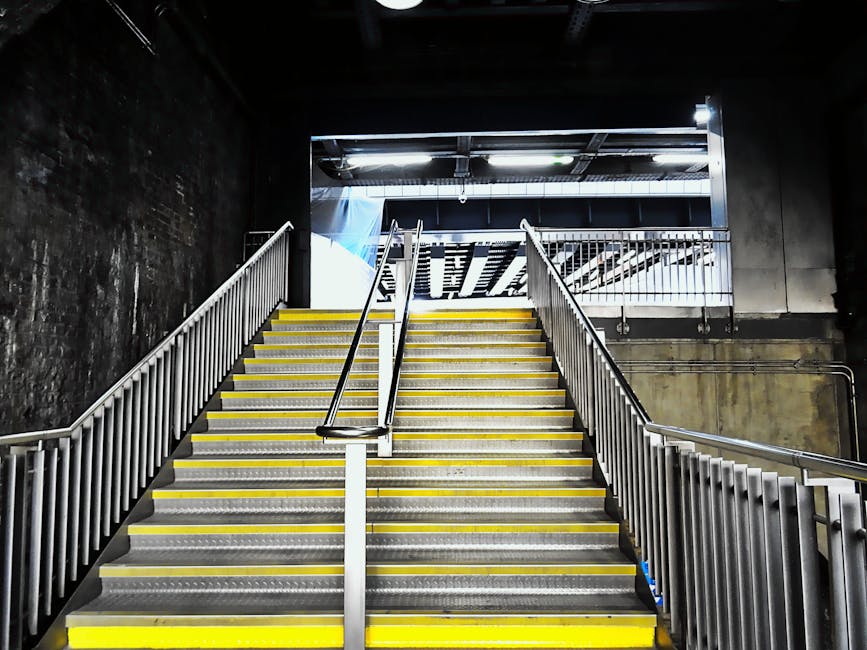
N22 Wood Green flat removals with stair access advice
Posted on 29/05/2026
N22 Wood Green flat removals with stair access advice: a practical guide for safer, smoother moves
Moving out of a flat in Wood Green can be straightforward on paper, then suddenly awkward the minute you spot the stairs. Narrow landings, awkward turns, no lift, a neighbour's pram parked where it shouldn't be - it all adds up. That is why N22 Wood Green flat removals with stair access advice matters so much. It is not just about getting furniture from A to B. It is about planning the route, protecting the property, reducing strain, and keeping the day calm enough that you can actually breathe.
In this guide, you will find clear stair access advice for flat removals in N22, plus practical steps for planning, packing, booking the right help, and avoiding the little problems that turn a move into a slog. If you are comparing services, you may also find it useful to look at flat removals in Haringey, man and van options in Haringey, and the broader removal services overview for context.
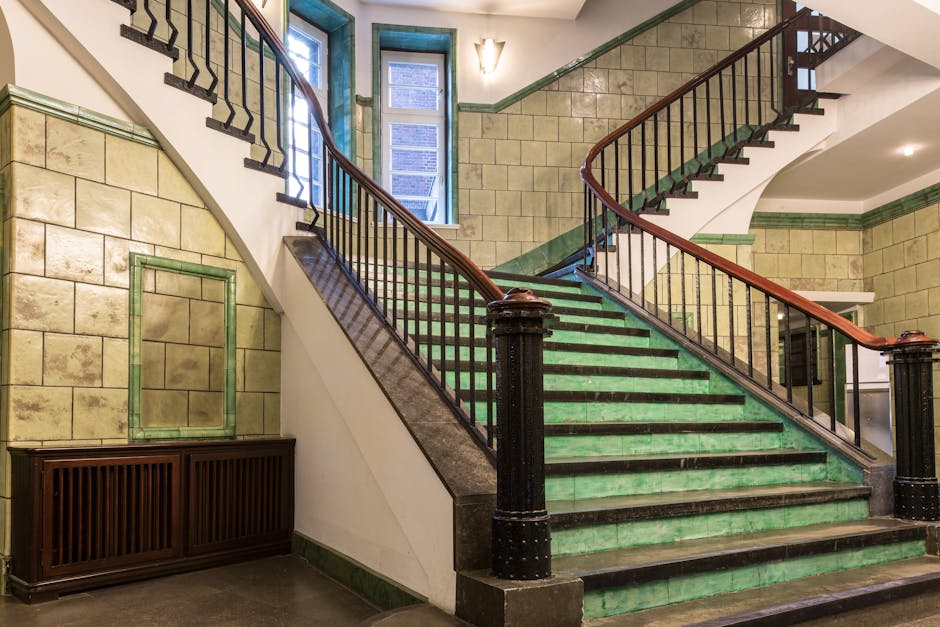
Why N22 Wood Green flat removals with stair access advice Matters
Stair access is one of those moving details people tend to underestimate until they are carrying a wardrobe up two tight flights in a period block or down a communal stairwell with a trolley that really does not want to cooperate. In Wood Green, flats vary a lot. You might have a modern apartment with a lift, a converted Victorian property, a maisonette with a split landing, or a block where the stairwell feels fine for people but awkward for bulky items. The move is still manageable, but the method changes.
The point of stair access advice is simple: it helps you match the move to the building. That means fewer delays, less risk of damage, and a better chance of keeping costs under control. It also helps you choose whether a full team, a smaller crew, or a flexible vehicle-based service makes more sense. If you are unsure how different services fit together, the services overview is a useful place to start.
Truth be told, stair access is often the hidden reason a quote changes. Not because anyone is trying to be difficult, but because a good removals team needs to know what they are walking into. A second-floor walk-up with a narrow turn is not the same as ground-floor loading. Not even close.
Expert summary: The best stair-access move is the one that is planned before lifting starts. Measure early, clear routes, protect surfaces, and book the right level of help. Simple idea. Big difference.
How N22 Wood Green flat removals with stair access advice Works
At a practical level, a stair-access move usually starts with checking the building, then matching the packing, lifting, and vehicle plan to that access. The process is not complicated, but each step matters.
First, you identify the access points. Is there a lift? Is it large enough for furniture? Are there fire doors, tight corners, low ceilings, or external steps? Then you think about item size. A bed frame, sofa, fridge, or chest of drawers may all behave differently on stairs, especially if they need to be turned or carried on edge. After that comes the route to the vehicle: is parking close enough, or will the team need to carry items a longer distance?
For smaller or lighter moves, a flexible service such as a man with a van in Haringey may suit. For fuller flat moves, the more structured approach of house removals in Haringey or dedicated furniture removals can be a better fit, especially when the stairs are doing half the work for you. Not the fun half, either.
A good stair-access process also includes protection. Think blankets, floor runners, corner guards, and straps. Those details sound small until a chip on a wall becomes a complaint on moving day. Nobody wants that. Nobody.
Key Benefits and Practical Advantages
Stair-access advice is valuable because it improves both the move itself and the experience around it. That may sound obvious, but on moving day obvious things are often the first to be forgotten.
- Less damage risk: Furniture, bannisters, walls, and doorframes are easier to protect when the route is planned.
- Better time control: A team that knows the stair layout can move more efficiently and avoid stop-start lifting.
- Clearer pricing: The more accurate the access information, the more realistic the estimate is likely to be.
- Reduced physical strain: Safe carrying technique matters, especially on tight stairwells and landings.
- Less stress: You are not trying to improvise while standing in a hallway with half a sofa wedged against the wall.
There is also a local benefit. Wood Green has a mix of property styles, and that means no single removal method fits everything. Some flats are straightforward, some are a bit of a puzzle, and some need a careful mix of planning and experience. That is where local knowledge helps. If you want to understand the area better before moving, the guide on getting to know Haringey as a laid-back suburb gives useful background, while what residents say about life in Haringey adds a more everyday perspective.
| Access situation | Typical challenge | Best practical response |
|---|---|---|
| Flat with lift | Lift size and waiting times | Check dimensions early, reserve if possible, and protect lift walls |
| Top-floor walk-up | Fatigue and tight turns | Split packing into lighter loads and schedule more handling time |
| Shared stairwell | Space conflicts with neighbours | Keep corridors clear and communicate timing in advance |
| Narrow staircase | Beds, wardrobes, and sofas may not fit | Measure items and consider dismantling furniture |
Who This Is For and When It Makes Sense
This kind of advice is useful for anyone moving in or out of a flat in N22, but especially if your building has stairs, limited parking, or older access routes. It suits first-time movers, tenants between rentals, homeowners selling a flat, and students who are moving with the practical belongings of student life: boxes, a desk, a bed, maybe a bike, maybe too many books.
It also makes sense for people moving on a tight schedule. If you need a fast turnaround, stair access becomes even more important because delay is expensive when the day is already compressed. In those cases, a service like same-day removals in Haringey may be worth exploring, but only if access is understood clearly before the booking is confirmed.
Then there are people moving fragile or awkward items. A piano, for example, changes the whole picture. If that is part of your move, it is worth reading about piano removals in Haringey because stairways and musical instruments are not friends. Not really.
This advice also makes sense if you are comparing price options and wondering why one removal quote is lower than another. Stair access, loading distance, and handling complexity all influence the final cost. To see how the numbers are framed, take a look at pricing and quotes and the page on our prices.
Step-by-Step Guidance
If you want the move to go smoothly, treat stair access like a project, not an afterthought. Here is a sensible sequence.
- Walk the route yourself. Look at the stairs, the landings, the door widths, and the path to the vehicle. If possible, do it with one large item in mind, like a mattress or sofa.
- Measure the awkward items. Measure height, width, and depth. Then compare those measurements against the tightest part of the route, not the widest.
- Check lift access properly. If a lift is available, find out whether it is operational, whether it fits furniture, and whether you need to book it. Small lift, big problem if you assume too much.
- Decide what should be dismantled. Beds, tables, and some wardrobes move better in parts. It can save time and prevent damage.
- Pack for carrying, not just for storage. Use sturdy boxes, avoid overfilling, and keep heavy items in smaller containers. The team will thank you for it.
- Protect stair surfaces. Use runners, blankets, or coverings where needed. Focus on bannisters, corners, and painted walls.
- Confirm parking and timing. If the van cannot park close, allow for extra carrying distance. That changes the plan quite a bit.
- Label priority boxes. Keep essentials separate so you do not end up hunting for kettle leads and charger cables at 10 p.m.
- Keep access clear on the day. Ask neighbours politely to avoid leaving items in the stairwell, and move loose clutter before the crew arrives.
- Do a final check before loading starts. One last walk through the flat catches forgotten items, hidden drawers, and that one plant you meant to take.
A small real-world note: the best moves are rarely the most dramatic ones. They are the ones where everyone knows the plan, the stairwell is clear, and the kettle is unpacked first. Simple, but it works.
Expert Tips for Better Results
There are a few practical habits that consistently make stair-access moves easier. These are the things experienced movers tend to look for immediately.
- Use lighter box sizes for books. Heavy books in a large box are a back problem waiting to happen.
- Remove bulky fixtures early. Lampshades, curtain poles, mirrors, and wall art all snag surprisingly often on stair corners.
- Think about turning angles. A sofa may be narrow enough on paper, but the twist at the top of the stairs can still be the sticking point.
- Protect the first and last three steps. That is where most bumps happen.
- Keep valuables together. Passports, chargers, medicines, keys, and documents should travel separately and safely.
If you are packing your own flat, the packing and boxes guide can help you avoid the usual mistakes. For larger or fuller homes, it is sometimes smarter to combine services rather than forcing everything into one oversized move. A mix of removals in Haringey and a practical vehicle option can be more cost-effective than overcommitting to a plan that does not suit the stairs.
Another tip: take photos of the stairwell before moving day if there is anything unusual. A tight bend, a low overhead beam, or a tricky external step is much easier to discuss when you can show it clearly. To be fair, a quick photo on your phone can save a very long explanation later.
If you are moving items into storage before settling elsewhere, stair access still matters. The handling is the same, and the weight is still the weight. The service page for storage in Haringey may be helpful if your timeline is split across two addresses.
Common Mistakes to Avoid
Most stair-access problems come from assumptions. People assume the sofa will fit. They assume the lift is large enough. They assume the move will only take a couple of hours. Sometimes it does, but sometimes it very much does not.
- Not measuring properly: Guessing rarely ends well. Measure furniture and the route.
- Ignoring communal space: Shared hallways and landings need to stay clear. It is common courtesy, and often just common sense.
- Leaving dismantling too late: If something needs tools, do not leave it until the crew is already there.
- Overpacking boxes: Heavier boxes are harder to carry on stairs and more likely to split.
- Forgetting parking constraints: Loading distance can matter as much as stair height.
- Assuming all removal teams work the same way: Different services fit different access challenges. Ask questions before you book.
One more thing people miss: the emotional side. Stair access can make a move feel more intense than expected because there is nowhere to hide. You are either carrying the chest of drawers up the steps or you are not. That pressure is real. A calm plan helps a lot more than bravado.
Tools, Resources and Recommendations
You do not need specialist equipment for every move, but a few basic tools make stair access much easier. Some are for packing, some for protecting the building, and some just for sanity.
- Measuring tape: Essential for doors, stair widths, and furniture dimensions.
- Furniture blankets: Useful for protecting edges, bannisters, and delicate surfaces.
- Strong packing tape: Good boxes are only as useful as the tape holding them together.
- Labels and markers: These save time when loading and unloading.
- Tool kit: Helpful for dismantling beds, shelves, and table legs.
- Gloves and sturdy footwear: Better grip, less strain, fewer accidents.
For budget planning and service comparison, it can help to review removal companies in Haringey and the broader removal van option if your move is relatively small. If you are a tenant or student, the more compact student removals page may match your needs better than a full household setup.
Useful recommendations usually come down to this: choose a service that asks good questions. If they care about stair width, item size, parking, and building type, they are thinking like movers rather than salespeople. That is a good sign. Quietly reassuring, too.
Law, Compliance, Standards, or Best Practice
For flat removals, the most relevant guidance is practical rather than legal theatre. You are mainly dealing with property access, safe lifting, insurance, and respect for shared spaces. In the UK, moving teams are expected to work safely, protect the property where reasonably possible, and handle goods with care. The precise procedures can vary by company, but safe working practices should always be part of the conversation.
If a building has rules about lift booking, access hours, or protecting communal areas, those rules should be followed. That is especially true in blocks with managed entrances or shared stairwells. Neighbours may also appreciate being warned about loading times, because a stairwell with a delivery run going on in the background can become a nuisance very quickly.
It is also wise to understand what your provider covers. Insurance, liability, and service terms matter because they set expectations if something unexpected happens. A straightforward summary is usually best, and pages such as insurance and safety, health and safety policy, and terms and conditions are worth reviewing before you book.
For payment confidence and general trust signals, you can also check payment and security. That is the sort of detail people often skip until the last minute, and then regret it a bit. Best not to.
Options, Methods, or Comparison Table
Different move types suit different stair-access situations. Choosing well is mostly about matching scale, access, and risk. Here is a simple comparison.
| Option | Best for | Strengths | Limitations |
|---|---|---|---|
| Man and van | Smaller flat moves, a few rooms, lighter furniture | Flexible, often efficient, good for short local trips | Less ideal for lots of bulky items or difficult staircases |
| Full flat removals | Most flat moves with mixed furniture and boxes | More structured, better for complex lifting and multiple items | Usually needs more planning and coordination |
| Specialist furniture move | Large or awkward items, heavy furniture, protective handling | Careful handling and better item-specific support | May be unnecessary for simple moves |
| Storage-first move | When move-in and move-out dates do not line up | Reduces pressure on the day, gives flexibility | Adds an extra step and possible extra cost |
For many N22 flat moves, the deciding factor is not just size. It is access. A small flat on the fourth floor with no lift can be more demanding than a larger flat with easy loading. That is why stair access advice sits at the centre of good planning, not the edge of it.
Case Study or Real-World Example
Imagine a couple moving out of a second-floor flat near the Wood Green area into another home elsewhere in Haringey. They have a sofa, a double bed, a dining table, six boxes of books, and the usual scatter of kitchen bits that somehow multiplies overnight. The stairwell is not difficult, but it is tight at the turn and the front entry has a small step down to the street.
They first measure the sofa and realise it will not take the turn upright. So they remove the feet, wrap the armrests, and decide to carry it with the seat base angled. They also move a mirror and a lamp ahead of time, because those are the kind of things that get knocked when everyone is focused on the larger pieces. Parking is checked in advance, and the van is placed close enough that the carrying distance stays short.
The result? The move still feels like a move, let's be honest, but it does not become a rescue mission. The stairwell stays protected, the loading stays orderly, and they are able to get settled without a late afternoon panic. That is really what good stair access advice does. It keeps the day normal enough to remember in a good way.
Practical Checklist
Use this checklist a few days before your move, then again on the morning itself.
- Measure all large furniture and compare it with the stair route
- Check whether there is a lift and whether it can take your items
- Confirm parking distance and any loading restrictions
- Ask whether items should be dismantled before collection
- Pack heavy items into smaller boxes
- Keep fragile items clearly labelled
- Protect bannisters, walls, and floors where needed
- Clear shared hallways and remove trip hazards
- Keep keys, documents, chargers, and medicines separate
- Review insurance, terms, and payment details before the move
Quick takeaway: the smoother the access, the more predictable the move. And the more predictable the move, the less it drains you. Simple as that, really.
Conclusion
N22 Wood Green flat removals with stair access advice is about more than avoiding a awkward carry. It is about planning the route, choosing the right service, protecting your home, and making the whole day feel manageable. Whether you are in a walk-up flat, a building with a small lift, or a property with a tricky landing, a little preparation goes a long way.
Start with measurements, think carefully about what needs dismantling, and choose a removals service that understands access as well as transport. If you are still weighing up your options, reviewing removals in Haringey alongside local support pages can help you settle on the right approach. The best move is rarely the most rushed one. It is the one that feels under control from the first box to the last.
Get a free quote today and see how much you can save.
And if all you do next is measure the stairs before you start packing, that is already a very good beginning.