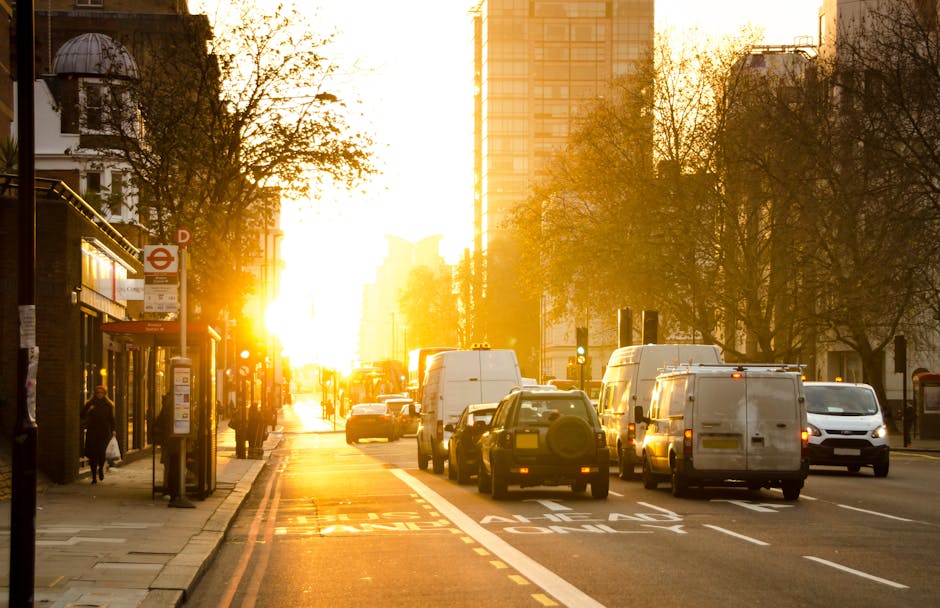
Turnpike Lane removals timing and parking solutions
Posted on 06/06/2026
Moving in Turnpike Lane can feel simple on paper and a bit less simple once you are staring at a van, a tight street, and nowhere obvious to stop. That is exactly why Turnpike Lane removals timing and parking solutions matters. The right move window, the right vehicle size, and a sensible parking plan can save a lot of stress, wasted time, and that awkward moment when everyone is carrying boxes while the driver is still hunting for a space.
This guide breaks the whole thing down in plain English. You will learn how timing affects a move, what parking challenges are common around Turnpike Lane, how to plan around them, and how to avoid the mistakes that turn a straightforward relocation into a long afternoon. If you are moving a flat, a family home, a student room, or an office, the basics are surprisingly similar. The details, though, those matter.

Why Turnpike Lane removals timing and parking solutions Matters
Timing and parking are not side issues. They are the backbone of a smooth local move. In a busy North London area like Turnpike Lane, even a well-packed move can slow down if the van arrives during the wrong traffic window or if there is no realistic place to load and unload. That is especially true on streets where cars already line both sides and access can change from one block to the next.
A removal team does its best work when it can park close to the property, move safely, and keep the route clear. If the van is several houses away, crews spend longer shuttling items, risks increase, and the day starts to feel longer than it should. To be fair, nobody enjoys carrying a sofa down the road while a neighbour tries to squeeze past with a buggy.
Timing matters for another reason too: it affects pressure. A move booked at the wrong time can collide with school runs, peak traffic, deliveries, or resident-only parking restrictions. Those little overlaps cause the kind of delays that make everything feel more complicated than it needs to be. Good planning reduces that friction before it starts.
Key point: the best removals around Turnpike Lane are not just about lifting and loading. They are about choosing a realistic time slot, securing practical stopping space, and making the day easy to execute.
How Turnpike Lane removals timing and parking solutions Works
There is no single perfect formula, but there is a reliable process. First, you look at the property type and street layout. A first-floor flat above a shop is different from a family house with a front drive. A small van may fit into a narrow residential road where a larger vehicle would struggle. That choice alone can change the whole rhythm of the move.
Next, you plan the timing around access. Early morning can be a smart option because the roads may be calmer, neighbours are less likely to be parking in and out, and the crew gets a clean start. Midday can work too, but it may be more exposed to traffic and competition for spaces. Evening moves can sometimes be practical, though they are not always the easiest if you need plenty of daylight.
Parking solutions usually fall into one of three categories:
- Direct frontage loading - the van stops close to the property and items move in short carries.
- Nearby street parking - the van parks within a short walk, which is workable but slower.
- Controlled or arranged access - parking is planned in advance with the location, resident, building manager, or permit arrangement in mind.
The smartest approach is to treat timing and parking as one single plan. If the parking is uncertain, the schedule should reflect that. If the access is tight, the vehicle choice should be adjusted. Simple, really - but people often split those decisions and then wonder why the day feels clunky.
If you are comparing full removal options, a good place to start is the company's services overview, which helps you see how different move types fit different access situations. For a more localised move, the House Removals Haringey N4 and flat removals in Haringey pages are especially useful if your property layout is part of the challenge.
Key Benefits and Practical Advantages
When timing and parking are planned properly, the benefits show up in ways you feel immediately on moving day.
- Less waiting around: crews can start loading without long gaps.
- Lower risk of damage: shorter carry distances mean fewer bumps and fewer awkward turns.
- Better neighbour relations: a tidy, organised stop is less disruptive than a van blocking half the road.
- More predictable costs: fewer delays usually mean fewer surprise charges or overtime headaches.
- Less physical strain: no one wants to carry heavy boxes further than needed, especially on a humid day when the air feels heavy and the stairs seem endless.
There is also a quieter benefit: confidence. Once the parking plan is sorted, everything else becomes easier to manage. Packing finishes more cleanly, the team knows what they are walking into, and you get to make decisions instead of reacting to problems. That sounds small, but it changes the tone of the whole day.
For readers weighing different move types, it can also help to compare a man and van in Haringey with a more traditional removal service. A smaller vehicle may be ideal if parking is very tight, while a larger removal setup makes sense if there is more space and more furniture to move.
Who This Is For and When It Makes Sense
This topic is relevant to more people than you might think. In fact, if your move touches a busy street, a shared building, or a tight access point, it applies to you already.
- Home movers in flats, terraces, maisonettes, or houses with limited frontage space.
- Students moving in or out around term dates, when parking gets patchy and time windows are tight.
- Office movers who need a controlled start time to avoid disruption to staff and deliveries.
- Piano or specialist item customers who need extra handling time and careful positioning.
- People on short notice who need quick but realistic planning, not guesswork.
It also makes sense if you have any of the following conditions:
- a narrow street with parked cars on both sides;
- a building with shared access or no lift;
- a large number of boxes and bulky furniture;
- a move on a Friday, weekend, or school holiday period;
- limited help from friends or family.
If your move looks simple on the calendar but awkward on the pavement, that is the moment to think carefully about vehicle access and timing. A move can look fine from the kitchen table and turn into a minor street puzzle once the van arrives. Happens all the time.
Step-by-Step Guidance
Here is a practical way to plan a Turnpike Lane move without getting bogged down.
1. Check the property access first
Walk outside and look at the street as if you were the van driver. Is there a clear loading space? Are there double yellow lines? Are there resident bays, timed restrictions, or turning areas that make stopping difficult? This quick visual check often tells you more than a long email thread ever will.
2. Choose the right time window
Pick a slot that gives you breathing room. Early starts are usually easier if parking is limited. Avoid squeezing the move between other appointments unless you have to. If you are moving out of a flat, allow extra time for stairs, lifts, and the inevitable last-minute hunt for keys or a box of chargers.
3. Match the vehicle to the street
Not every move needs the largest van. In some cases, a more compact vehicle is the practical winner because it can access streets that a bigger truck simply cannot. The trade-off is more trips or more careful packing. If you are unsure, take a look at the removal van options in Haringey and compare them with the lighter-weight flexibility of man with a van services.
4. Plan the loading order
Put the most awkward or heaviest items near the front of the day's plan. That means beds, wardrobes, sofas, or appliances should not be left to a rushed final hour. If the parking space is only available for a short time, start with the biggest items first so you use the stop efficiently.
5. Protect hallways, doors, and floors
Good timing and parking help, but the move still needs care inside the property. Floor protection, corner padding, and clear pathways reduce damage. This is where a proper removal team tends to show its value - the little details are the difference between a tidy move and a scratch you notice weeks later.
6. Keep a backup plan
What if the planned space is occupied? What if a delivery van is already there when your team arrives? It is worth having a fallback spot in mind, even if it is slightly further away. A backup plan prevents panic, and panic is expensive in time and energy.
7. Confirm the final instructions the day before
One short confirmation can prevent several small misunderstandings. Share the exact address, access notes, floor level, and any parking guidance. If there are building rules or time limits, mention them early. Little things matter here. A missing gate code can cost more time than a whole stack of boxes.
Expert Tips for Better Results
After enough local moves, a few patterns start to stand out. These are the ones worth remembering.
- Build in slack time. If you think a job needs two hours, allow a little more. Tight schedules are fragile.
- Load by access, not just by room. Put items near the exit that can be moved quickly once the van is parked.
- Use smaller boxes for heavy items. It sounds obvious, but one overpacked box can slow the whole chain of lifting.
- Keep essentials separate. Documents, meds, keys, chargers, and one kettle box should stay easy to reach.
- Think about the road, not just the property. A perfect front room plan means very little if the van cannot stop close enough.
Another useful tip is to treat timing like weather planning. Even if the forecast is dry, the streets may still be busier than expected. A move starting at 8am can feel very different from one at 11am. The same street, different feel. You notice it immediately.
If your move involves specialist items, it is worth checking services such as piano removals in Haringey or furniture removals in Haringey, since bulky or delicate items need more than just speed. They need space, sequence, and patience, which is not glamorous but it is very effective.

Common Mistakes to Avoid
Most move-day problems are preventable. The same few mistakes keep cropping up, and honestly, they are all avoidable with a little attention.
- Leaving parking to chance. Hope is not a parking strategy.
- Booking during peak local congestion. A busy road can create delays before the first box is even lifted.
- Choosing a van that is too large for the street. Bigger is not always better.
- Underestimating loading time. Stairs, lifts, and awkward furniture add up fast.
- Not telling the team about access restrictions. Shared entrances and timed bays are easy to miss in a rushed conversation.
- Packing too late. If boxes are still open when the van arrives, the schedule starts to leak time immediately.
One common oversight is the final thirty minutes. People assume the hard part is the lifting, but in practice, the last run of small items, cleaning, and key handover can take longer than expected. It is the little stuff that nibbles at the clock.
Tools, Resources and Recommendations
You do not need fancy equipment to plan a better move, but a few practical tools help a lot.
- Street notes: write down access details, bay restrictions, and entry codes in one place.
- Room labels: make box handling faster and reduce confusion on arrival.
- Simple inventory list: especially useful if you are moving valuable or fragile items.
- Floor protection materials: worthwhile for older properties, rented flats, or freshly cleaned spaces.
- Spare packing tape and markers: always needed, usually at the exact moment you think you have enough.
For planning support, the most useful next step is often to read the local service pages and pricing pages before you commit. The pricing and quotes page is helpful if you want to understand how move size, timing, and access can affect the overall booking. For people needing flexibility, same day removals in Haringey can be relevant when plans change quickly.
If you are still deciding between handling the move yourself or using a team, the removals Haringey and removal services Haringey pages are a good starting point. For storage gaps between move-out and move-in dates, storage in Haringey can take the pressure off. Very useful, especially when completion times get a bit wobbly.
Law, Compliance, Standards, and Best Practice
Parking and loading around Turnpike Lane should always be handled carefully and respectfully. Local streets often involve a mix of resident parking, shared access, and temporary loading needs, so the practical rule is simple: do not assume stopping is fine unless it is clearly allowed or arranged.
Good practice usually includes the following:
- checking access restrictions before the move;
- avoiding obstruction to pedestrians, cyclists, and emergency access;
- keeping the vehicle stop as short and safe as possible;
- being considerate to neighbours and building users;
- using trained handling methods for heavy or awkward items.
There are also broader safety expectations around lifting, carrying, and vehicle loading. A professional removals company should work with sensible manual handling habits and clear communication, which helps reduce risk to people and property. If safety standards matter to you, it is worth looking at a company's insurance and safety information and its health and safety policy. Those pages may sound formal, but they tell you a lot about how seriously the team treats the job.
For people who care about business ethics and customer reassurance too, support pages such as about us, terms and conditions, and complaints procedure can help set expectations before moving day. It is not thrilling reading, granted, but it helps avoid misunderstandings.
Options, Methods, or Comparison Table
Different move setups suit different parking situations. Here is a simple comparison that may help you decide.
| Option | Best for | Parking advantage | Watch out for |
|---|---|---|---|
| Man and van | Smaller homes, student moves, lighter loads | Easier to fit into tighter streets | May need more trips for bigger moves |
| Full house removals | Family homes, larger furniture loads | Better for structured loading and unloading | Needs more space and time to park safely |
| Flat removals | Upper-floor properties, apartment blocks | Can be planned around building access | Stairs, lifts, and entry restrictions can slow things down |
| Office removals | Businesses needing organised downtime | Can be scheduled outside peak working hours | Requires careful coordination with staff and equipment |
If your move is small and access is awkward, a compact option may be the sensible choice. If the load is large but the road is manageable, a fuller service can be more efficient overall. For business relocations, take a look at office removals in Haringey and the more focused Office Removals Haringey N4 page if you need a more local fit.
Case Study or Real-World Example
Imagine a second-floor flat near Turnpike Lane with a shared entrance and a street that fills up quickly after 9am. The customer has a sofa, a bed, a dining table, a few white goods, and a pile of boxes that always seems to be growing by the minute. Nothing extreme, but enough to make parking important.
Instead of choosing a late-morning slot, the move is booked early. The driver arrives while the road is still relatively calm. The access notes mention the stairwell width, the lack of lift, and the fact that the front bay is often occupied later in the day. The vehicle is positioned as close as possible, and the heaviest items go out first. That means by the time the street starts to get busier, the main furniture is already loaded.
What made the difference? Not magic. Just planning. The customer had allowed enough time, the van size matched the property, and the parking approach was realistic rather than optimistic. A very London solution, really. Not flashy, just effective.
If a similar situation is yours, you may also find local advice useful. The guide on narrow streets and parking gives a good sense of how street access shapes a move, while local move planning around Alexandra Palace can help if your route crosses nearby Haringey neighbourhoods.
Practical Checklist
Use this before moving day. It keeps the job grounded.
- Confirm the moving date and arrival window.
- Check whether the street has parking restrictions or loading limits.
- Measure larger furniture and think about stair or hallway access.
- Decide whether a smaller or larger vehicle is more realistic.
- Label boxes by room and priority.
- Keep essentials aside for the first night.
- Share access instructions with the removals team in advance.
- Prepare a backup parking plan if the first choice is blocked.
- Allow extra time for lifts, stairs, and key handover.
- Check whether you need packing support or storage during the move.
Practical summary: if you sort parking first and timing second, the move usually gets harder. If you sort them together, everything else tends to fall into place more naturally. It is one of those small planning choices that saves you a lot of bother later.
Get a free quote today and see how much you can save.
Conclusion
Turnpike Lane moves are rarely difficult because of one huge problem. More often, they are slowed by several small ones: a street that is busier than expected, a van that is too large, boxes that are not quite ready, or parking that was left to chance. The good news is that all of that is manageable.
When you plan timing and parking as part of the move itself, you create a calmer, cleaner process. The van gets closer. The team works faster. Your day feels less like a scramble and more like a sequence you can follow. That is the goal, really.
If you are preparing a move in Turnpike Lane or anywhere nearby, take the time to think about access, vehicle size, and loading order before the first box is lifted. A little preparation goes a long way, and on moving day that small bit of calm can feel priceless.